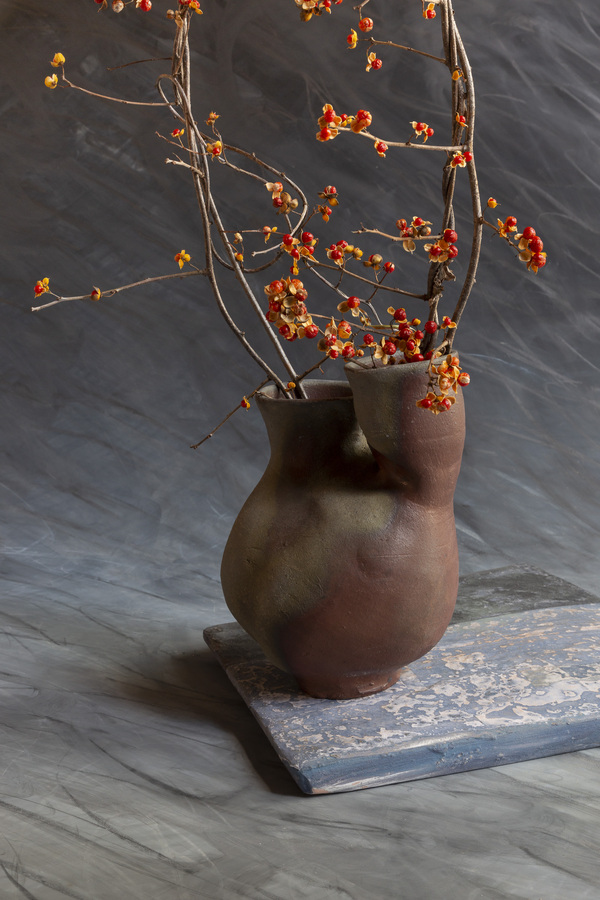
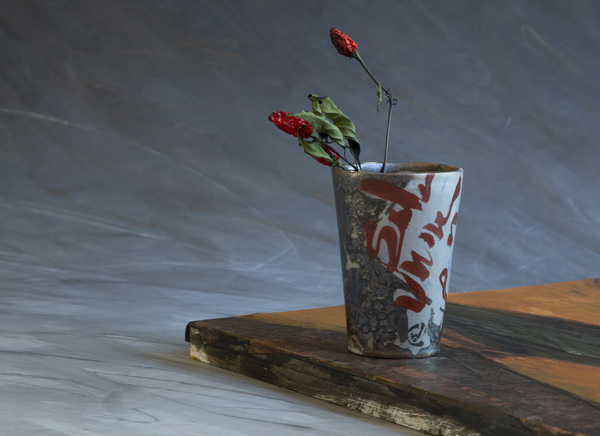
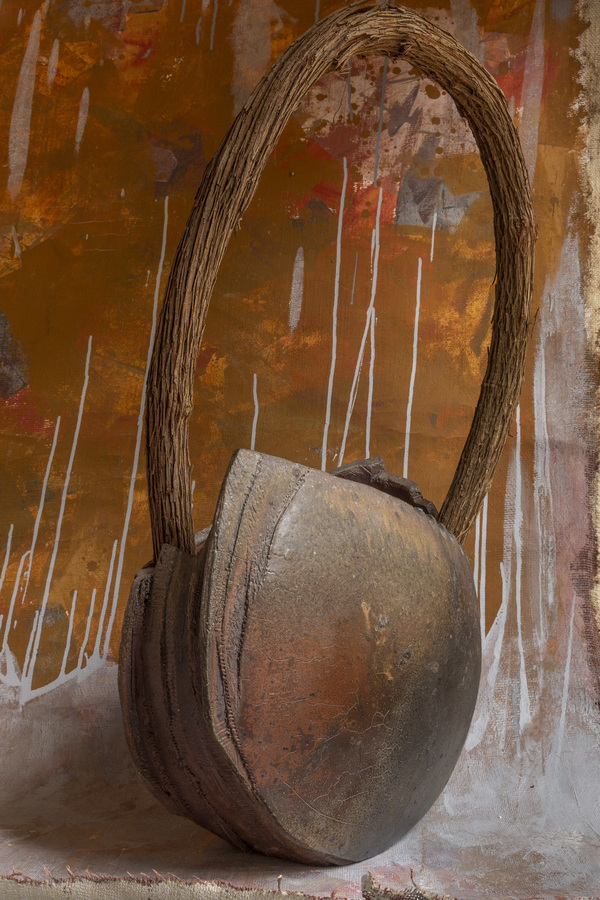
eggs

| 2 Comments | No TrackBacks
egg-line.jpg

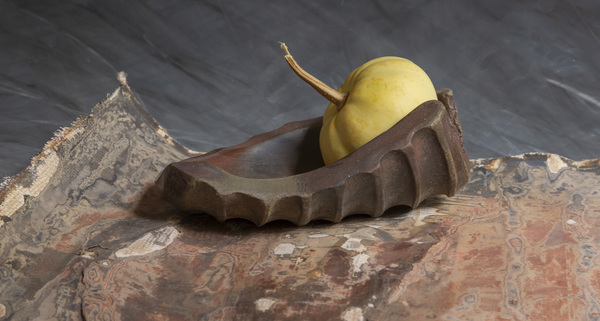
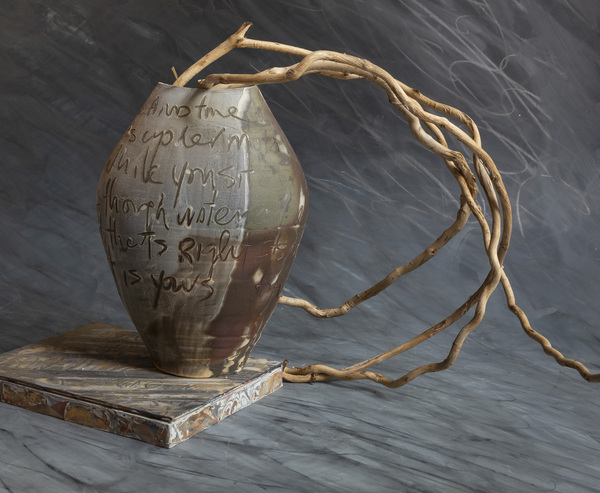
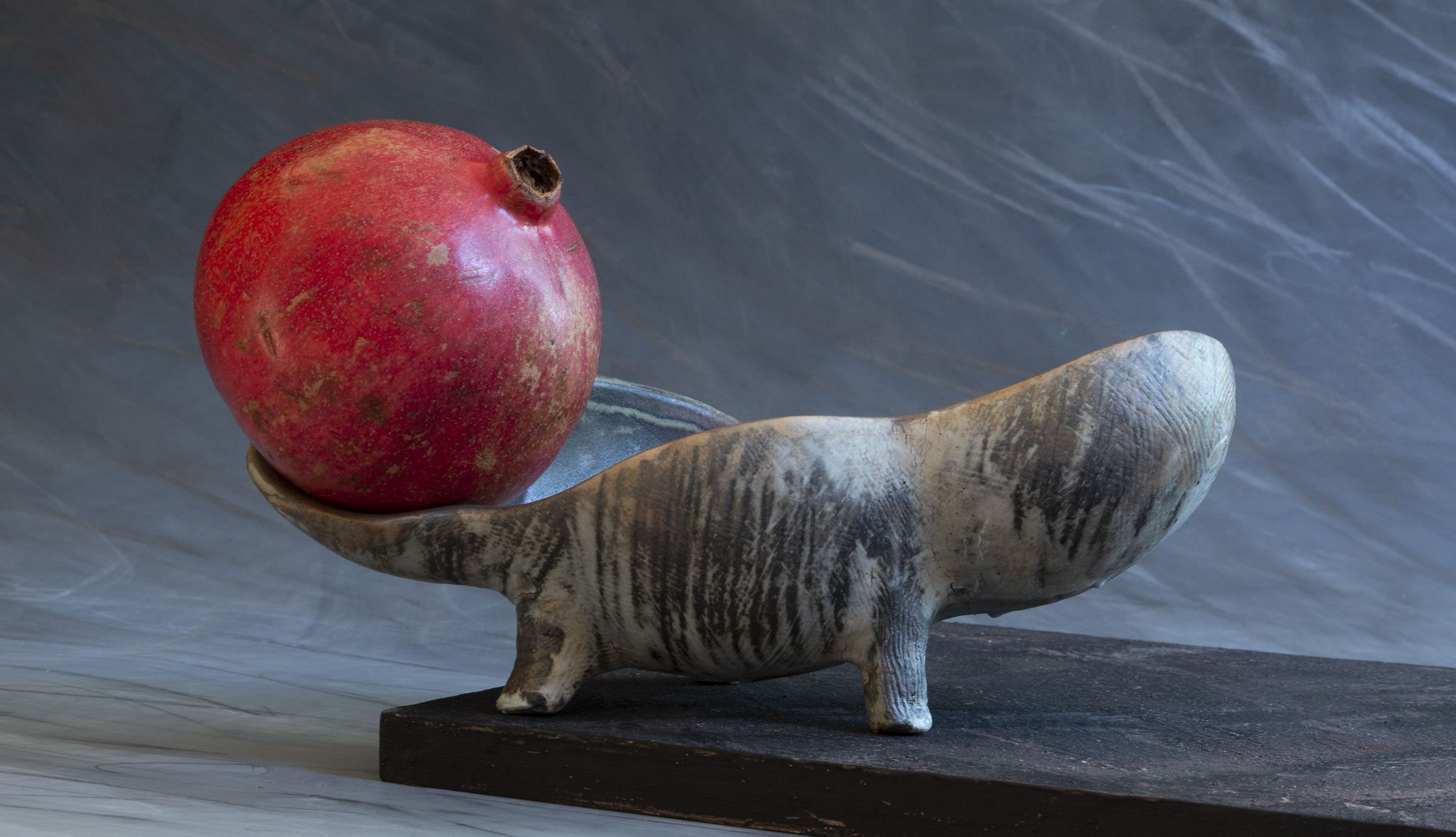
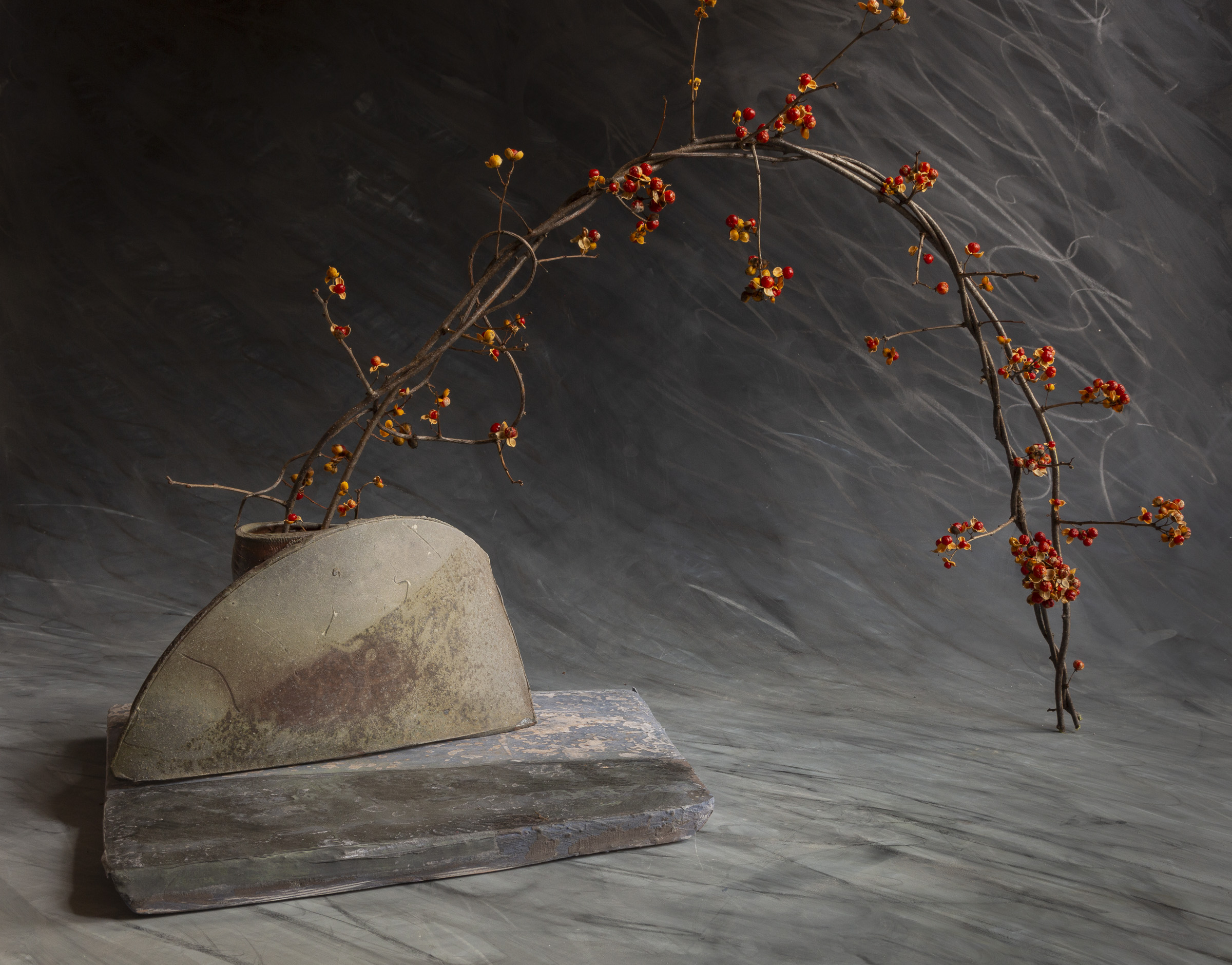
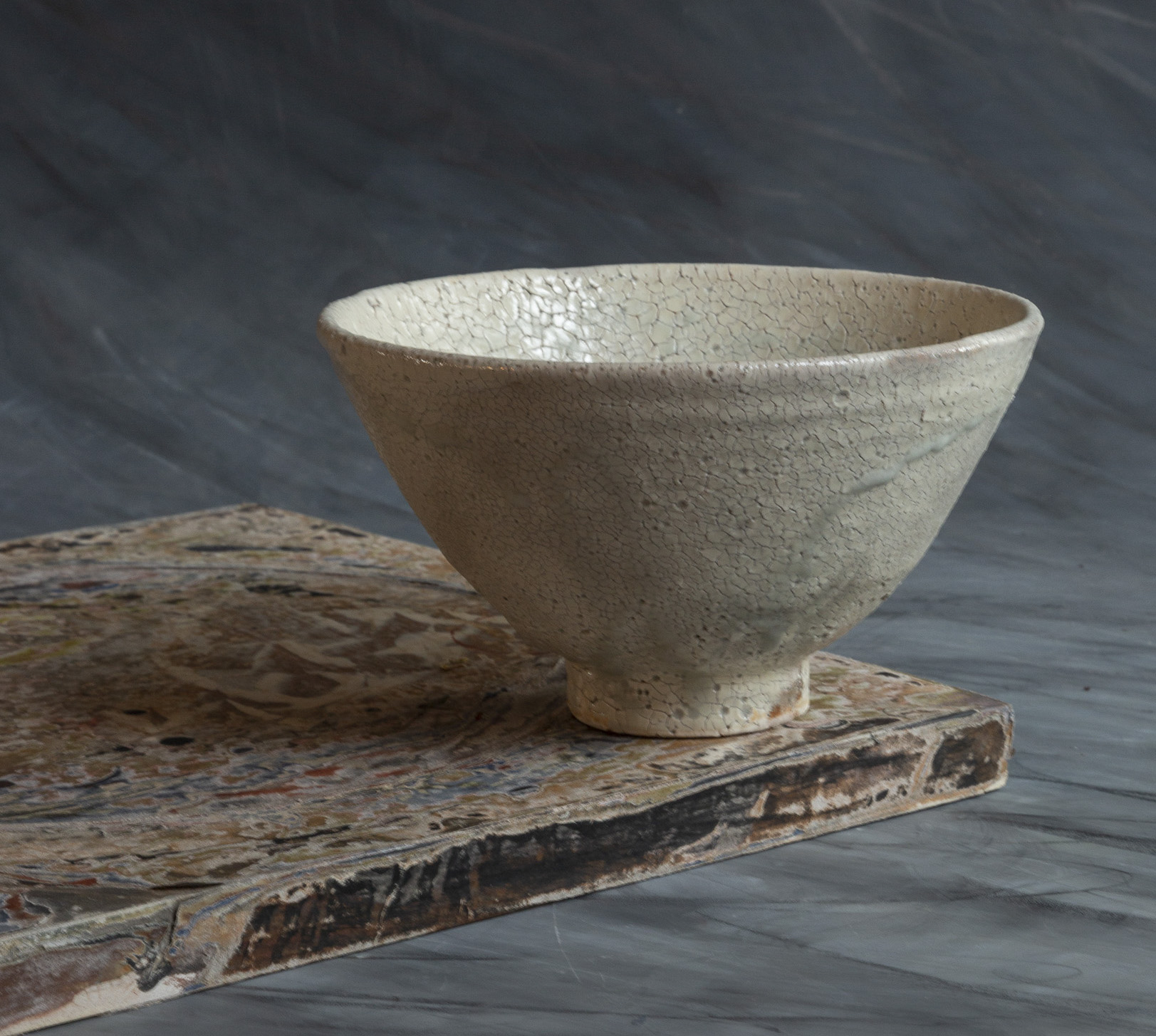
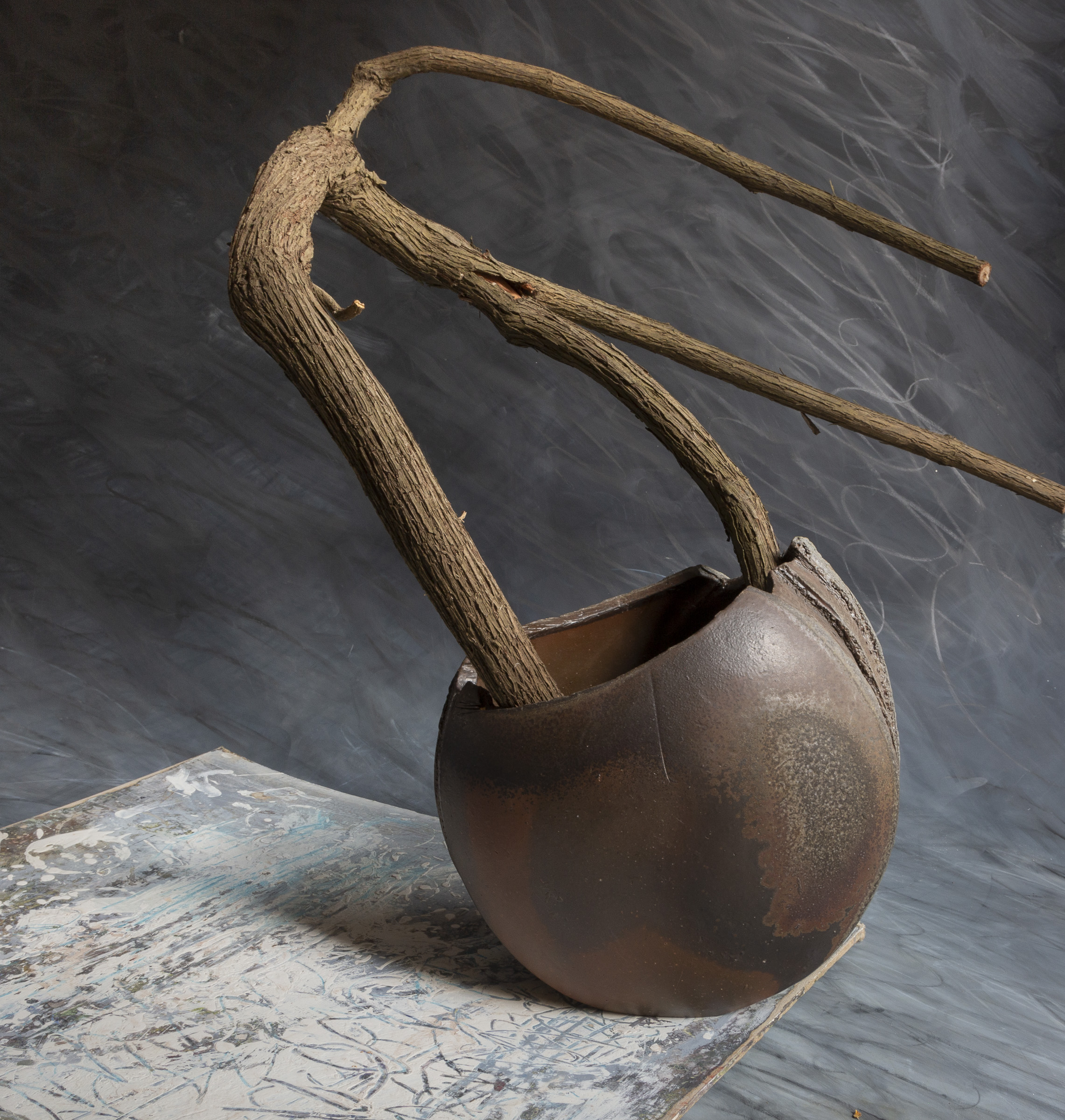
On Wednesdays my yoga group practices in a church parish house in Delaplane, Virginia.We trade off leading the practice and at the end Tom lead us in a few moments of meditation. I sat on my yoga block with legs folded and back pulled up straight, my arms hollowed like I held fragile eggshells in my arm pits. I lay my left hand inside my right and touched thumbs together making an oval shape. The oval image came back to me again and again. My breathing became a graceful strong egg filling my lungs with silence. Shivasina near the end of our hour is my favorite moment of relaxation. The silence and letting go of every muscle allows space for new images. The moments allow my brain to tumble and not think and I bring my mind back to the oval egg shape of hands, armpits and breath. In the space of shape solutions appear, there is no narrative or evolution. It is like all of a sudden I can see how the jigsaw puzzle pieces fit together magically.


eggs-in-bowl.jpg

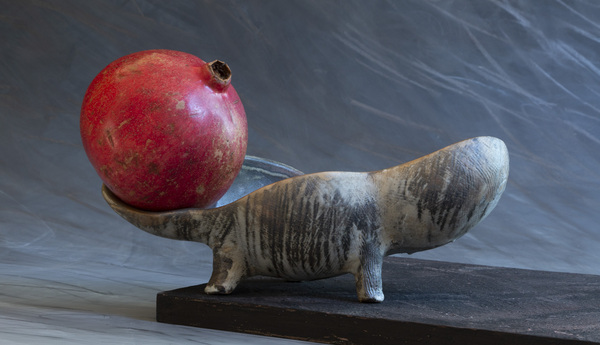
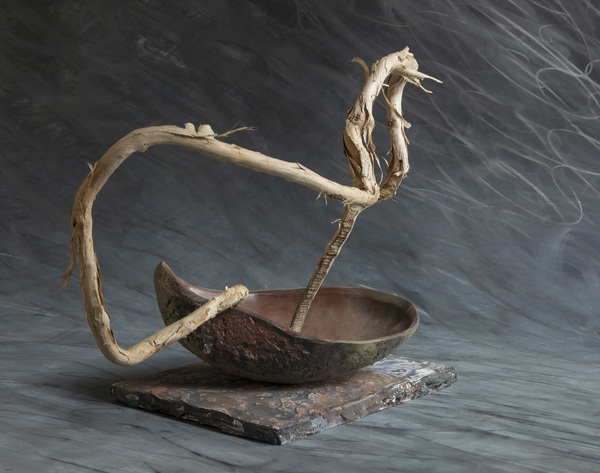
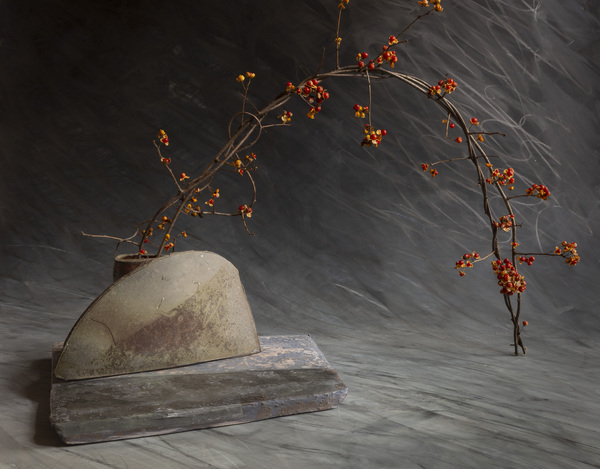
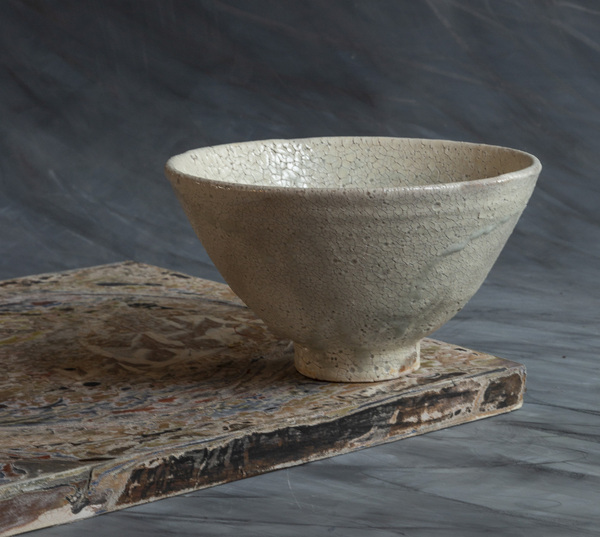
I have started making a few pieces for the wood firing in the fall. The ovals of ideas move with my breath. It has been a week to follow intuition and draw on paper and clay. I start where I left off and trust the the next step will come. I moved my chair to the basement gallery space for cool air and the company of the last series of work. I stare at the sunlight and images of eggs that I photographed in March come to mind.They are nestled in gas fired bowls and the pale variation of colors circle in my mind.It is like each cycle of firing is an egg shaped Russian doll. One experience is held in the shape of the next idea, each step grows and shifts.


egg-solo.jpg

Yoga is learning to associate with the seer who resides beyond the language of the mind. ~ PantanjaliI

brushes

| No Comments | No TrackBacks
On a recent trip to Rhode Island brushes caught my eye. 

brushes-antique.jpgThen, visiting David Harrington in Bristol, he took me to see his studio in a nearby old mill building.

brushes-tools.jpgDavid and his studio mate had a beautiful collection of brushes and tools.

brushes-bristol.jpgWhen I got home I looked at my own homemade brushes with a fresh eye.

brushes-cw-1.jpgI started making brushes in college. At first I just loved how they looked. I made all of these but the one furthest to the left which I bought on Canal Street (NYC) in 1979 from a street vendor who said he bought it in Afghanistan. The longer I had them around the more committed I became to using them, to finding the voice of collaboration between each brush, a material, and my hand. They are made of my hair, grasses, feathers and animal fur with bamboo for the handle--at least until that binder clip comes in handy.

brushes-cw-2.jpg"I don't have to lay on the couch and see a therapist because my therapist is in my paint brushes."
Abbey Lincoln

13a-spiral-bowls.jpgCatherine White Slip Decoration Workshop at Hood College
July 17-18, 9 a.m.-5 p.m.
July 17, 6-9 p.m.

The weekend course is an exploration in the vocabulary of  slips applied to clay forms.  The class will be both demonstration and hands-on work.  Saturday and Sunday sessions will be amplified with an evening slide talk of personal work and historical references. Assignments will explore the poetic potential of texture, line, pattern and color variations. The class will weave together the implications of brushwork, additive and subtractive applications, and the interaction of  form, glaze and fire. Assignments will cover experiments with varied techniques.

Bring leather hard plates, bowls and vases plus clay to roll out slabs to experiment on.


ARTS 599 Slip Decoration
July 17-18, 9 a.m.-5 p.m.
July 17, 6-9 p.m.
Instructor: Catherine White

Hood College Frederick Maryland

http://www.hood.edu/academics/departments.cfm?pid=departments_ceramicsWorkshops.html

Workshop Fee : $185
1 credit/Graduate Tuition:$360
to register call Karen Taylor at 
301-696-3526

09-winter-triplet-bottles.jpg


first tomatoes

| No Comments | No TrackBacks
June 29th the first tomatoes were a great treat with lunch.

first-tomatoes-2010.jpg


Last week Teresa, a painter friend, said to me, "Your work seems very evolutionary." One experience leads to the next piece I told her. This morning some old friends stopped by to see the gallery and we talked of today being the solstice. She commented on the evolution of my pots and this project. I told her it took me a long time of living in the same house to understand how the sun moves seasonally. She looked at me and said, "Do you think that the Druids got Stonehenge right the first time?"  I'd never really contemplated the fact that the Druids refined a long series of stick or stones as precursors to Stonehenge.

At the end of my mother's life we planned to spend three weeks in Maine near my parents. I thought that every day I would take a walk with her and write about our conversations. It would be a twenty-one day project. When I got there and walked with Mom I realized her memory had really deteriorated and the old conversations about family dynamics, politics, and art were history. Instead, I found our walks and talks had to do with what was right in front of us. We looked at how the trees made crosses, the exotic colors of moss, and the bobbing boats. We picked wild flowers and put them in cups.  There was an intense appreciation of the moment. I remember thinking, it's not ever going to get any better than this.

On my five o'clock dog walk today I paused on the dock to watch the kingfishers swoop over the pond and make sudden splashes. The day seemed like it could go on forever. It was the polar opposite of my winter evening dog walks when I raced outside to see the last flare of  light. At either end of the spectrum I am driven to place some mark on paper, clay, or film.

 
21-leek.jpg Akiko Busch's mother died of a brain tumor and near the end of her life she lost the ability to assign words to thoughts.
"You could call this an episode of clarity. Certainly it was that to her, because for a moment a golden slip cover had restored all the precision and lucidity of language that were dear to her; on account of it she had recovered her voice. It was a moment of clarity for me as well, because I understood then that frivolity is not necessarily trite or foolish or petty; rather it is about the way essential information often comes to us, unpredictably, through play. I also understood that there are times when frivolity can intersect precisely and perfectly with a sense of of purpose. This can happen most effortlessly most gracefully when a sense of purpose elsewhere in your life seems either to be absent or irrelevant.
Since that time-- and probably in one way or another because of it-- I have made my work to write about design, about spoons and slipcovers, hats and houses. Sometimes the objects are called 'artifacts of the physical world.' I call them things, because so far as I understand it, design is about people and things. You could say that I write about design because I am fascinated by the relationships people forge with things and by the inevitability of how we engage in play with our material possessions. In my mother's case, she did it because the loss of speech made her relationships with other people unbearable. So she turned to the chaise and its golden slipcover, and for a moment on the telephone she was herself again."
The Uncommon Life of Common Objects, p. 155 
The apricot on my plate is not local, but it was so beautiful I couldn't resist the photograph. Zoe tells me that our blueberry bushes have spoiled her so she can't eat grocery store berries anymore. For dinner we picked broccoli from the garden; it is a much more intense green when cooked than any thing I ever buy from the grocery. An evening swim cooled our bodies and slowed us down so we could take the time to watch the clouds shape-shift and mark how far the sun has moved at sunset.

20-apricot.jpg"We live in a world which we are increasingly distanced from the natural rhythm of things. Our diet usually has little to do with what foods are in season; when days are short, we simply turn on the lights earlier; and while our travels may be inconvenienced by climate certainly they are not governed by it. I can't help but wonder, then if the appeal of swimming simply has to do with the reaffirmation of the body in a simple rhythm."   Nine Ways to Cross a River, Akiko Busch, page 52
Today went by in such a rush that I forgot to take a photo. (Today's image is from earlier in the month.) I had lots of visitors to the gallery, dinner on the porch and two birthday cakes! In the dusk we walked down to the pond feeling like it was truly a summer evening.  Zoe and I lay on the dock looking at the sky when a great blue heron flew over us barely ten feet away. Its slow flapping wings brought an index of memories of  summer evening to mind. Memories in full moon light or swimming in pitch black flashed before my eyes.The trees lit up with fireflies as if they were Christmas lights.  I have to breathe deep and remember it doesn't get much better than this.

19-honeysuckle.jpg "I think of that index of the unknown that we all carry with us. I haven't the faintest idea bout what kind of lives my sons will lead, though as with most parents, that often seems like the thing that matters most. Nor do I have any idea about how my own life will play out or where, though at fifty-two, that information suddenly seems more important to me than it has before. And I think of all the mysteries of intention and desire that keep us wondering about even those people we know best." Nine Ways to Cross a River, Akiko Busch, page 194

new pots, new backgrounds.

18-peas.jpgWe have been working hard getting ready for small contours.


cw-small-contours-text.jpg
cw-small-contours-image.jpg
On mother's day I decided it was time to get my tomatoes in the ground. The first step however, was to pull up the towering forest of dill. I cut the dill into bunches, collected ten older vases and gave the bouquets to ten women as my random act of kindness. I always love the volunteer plants that come up by seed. I usually move them to garden beds so the paths stay clear. But by the end of the summer navigating my paths holds no straight lines and it more resembles following the ox bows of a lazy river. The dill forest has been restricted drastically, but it still towers in parts of the garden and it waved beautiful like a yellow flag in today's June breezes.

17-dill.jpg"It seems clear now, in that way that the unexpected can sometimes take hold of intent, thwarting and subverting it, that following the path of the river is as important as crossing it. A river can connect every bit as effectively as it divides."  Just Beneath the Surface, Akiko Busch

My mom always asked questions. As a teenager I thought they were dumb questions and the sound made me want to stick my head in my shirt as if I was a turtle and could retreat form the world. We would buy fruit and she would always ask where are these apples from or where were those strawberries grown, she would ask where the fish was caught. It was as if  by knowing how far her food had come she could vicariously travel as well. Now that there is a whole awareness of eating locally and knowing where your food comes from I realize my mom was way ahead of her times.


16-pumpkin-tendril.jpg


Mom had a thing for sunsets she loved to see the sunset and she would rush dinner of delay it so that we could find a place to see the sunset. I remember one thanksgiving she visited us towards the end of her life and each evening we would go for a walk just before sunset and on the way back to the house the we were just below the crest of the hill and the geese flew into land on the pond and they were just above our heads. It was as if we could reach up and touch their webbed feet and the muscles of their flapping wings was overpowering. We both stopped and could not find words to describe the feeling. I turned to her and said I am so glad you experienced that that is one of the indescribable moments of living on this hilly terrain near a pond. It was the sound and feel of flapping. The strength of wings and the recognition of what energy it must take for those geese to fly. Tonight as we lingered after sunset it was fire flies and a crescent moon that kept us company.


"Akiko Busch, who was a visiting writer at Haystack during our second session, July 14-27,2009, writes about uncertainty and how it manifests itself in our art making, our lives, and in nature. While she touches on what is increasingly the spirit of our time, it's not a pessimist'sview. Not knowing exactly where we are going leaves us in a place of discovery. We are alive and embarking on a journey".-Stuart Kestenbaum

Recent Assets

  • egg-solo.jpg
  • eggs-in-bowl.jpg
  • egg-line.jpg
  • brushes-tools.jpg
  • brushes-cw-2.jpg
  • brushes-cw-1.jpg
  • brushes-bristol.jpg
  • brushes-antique.jpg
  • 09-winter-triplet-bottles.jpg
  • 13a-spiral-bowls.jpg

Recent Comments

  • Eugenie Torgerson: Your work, the photographs of it, and your ideas bring read more
  • Michael Kline: I'm with you! I thought on your story in this read more
  • Michael Kline: Flattery alert! I love what you do with the slip. read more
  • Joy Tanner: I love your thoughts and how you form them here read more
  • Leigh: Beautiful and thoughtful as always. I too love the evolution read more
  • ang: wow very nice still life... read more
  • Judy Shreve: Catherine - Wish I lived closer -- hope the weekend read more
  • Linda Starr: love the graduated bowl shot; have a great show. read more
  • Janie Mosby: Catherine, Connections, uncertainty, reflection, possibilities all are inspiring words. Your read more
  • jim: beautiful post catherine... your mom was indeed ahead of her read more

Pages

Find recent content on the main index or look in the archives to find all content.